
How Long Do Composite Doors Last? A Guide to Lifespan and Maintenance
26th August 2025
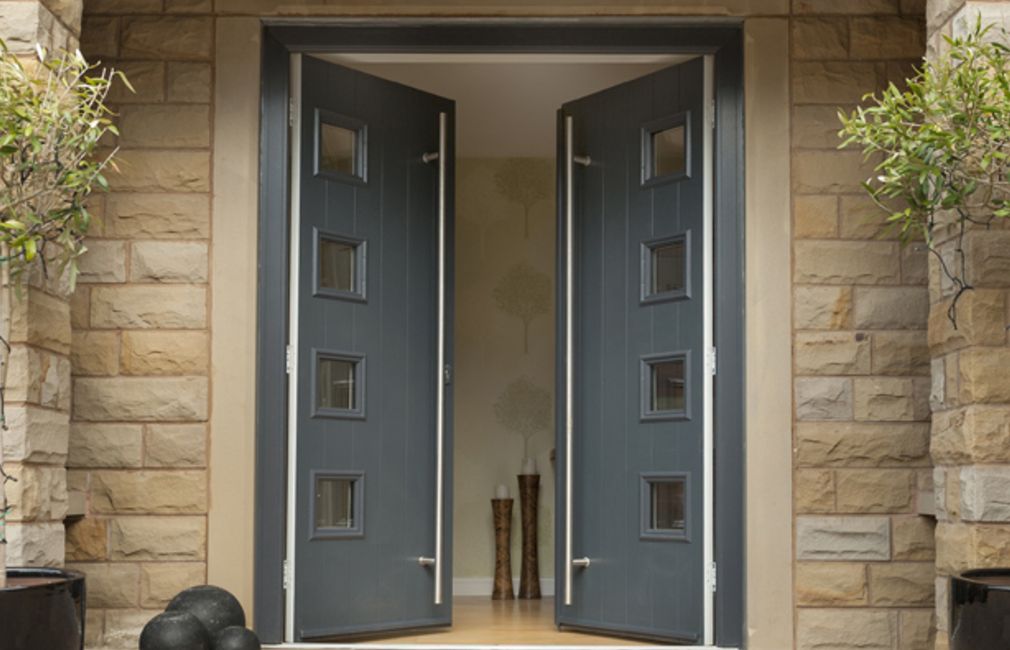
Composite doors are a popular choice for UK homeowners looking for durability, energy efficiency, and a stylish front entrance. But how long do composite doors actually last and what can you do to make sure yours stands the test of time?
How Long Do Composite Doors Last?
Most high-quality composite doors last between 25 and 35 years, depending on their build quality, exposure to the elements, and how well they’re maintained.
Entry-level composite doors may last around 20 years, while premium models, when properly cared for, can exceed 35 years without needing replacement. The lifespan is influenced by:
- The quality of the materials and manufacturing
- Whether the door was professionally installed
- Its level of exposure to sun, rain, salt, or pollution
- Regular maintenance and cleaning
If you’re investing in a front door, a composite option offers long-term peace of mind and excellent value for money.

Compare window styles
- Choose windows, doors, conservatories and more
- Select your style
- Enter your measurements
- Design online and choose your colours
What Is a Composite Door Made Of?
To understand why composite doors last so long, it helps to know how they’re built.
Unlike traditional timber or uPVC doors, composite doors are constructed from multiple layers of materials. A typical door includes:
- A reinforced timber or foam core for insulation
- A tough outer layer made from GRP (Glass Reinforced Plastic)
- uPVC subframe or outer frame for structure
- High-performance weather seals and hardware
These materials are bonded together under high pressure, creating a door that’s strong, secure, weather-resistant and virtually maintenance-free.
Signs Your Composite Door May Need Replacing
Even the most durable door will eventually show signs of wear. Watch out for these indicators that your composite door might be nearing the end of its useful life:
- Faded or patchy colouring, especially on south-facing doors
- Cracks or warping in the GRP skin
- Difficulty opening or closing the door due to misalignment
- Cold draughts or poor insulation from damaged seals
- Faulty locks or hardware that are no longer smooth or secure
If you notice multiple issues, it may be more cost-effective to replace the door than to repair it.
How to Maintain Your Composite Door for Long-Term Performance
One of the biggest advantages of composite doors is their low maintenance, but that doesn’t mean no maintenance. A few simple routines can keep your door in excellent condition for decades.
Cleaning Your Composite Door
Clean your door every two to three months using:
- A bucket of warm, soapy water (mild detergent only)
- A soft sponge or cloth
- A soft-bristle brush for frames and grooves
- A microfibre cloth for drying
Avoid harsh chemicals, bleach, or abrasive pads, which can damage the surface.
Caring for the Hardware
Lubricate locks, hinges, and handles once or twice a year with silicone spray. This prevents seizing, reduces wear, and helps the components last longer.
Check for signs of rust or stiffness, especially in older doors or those exposed to salt air.
Weather Protection Tips
- Rinse off dirt and debris after heavy rain or storms
- Avoid slamming the door to protect the frame and internal components
- In coastal areas, clean more frequently to remove salt and grit
Avoid These Common Mistakes
- Don’t hang heavy wreaths or decorations from the handle or knocker
- Never use a pressure washer, the high force can damage seals and finishes
- Don’t ignore build-up around the bottom threshold or frame
Do Composite Doors Fade Over Time?
High-quality composite doors are built with UV-resistant GRP skins, which significantly reduce the risk of fading, even on doors exposed to direct sunlight.
However, over many years, some subtle fading or dullness may occur, especially on darker colours. Regular cleaning and occasional polishing with a uPVC-safe product can help preserve the original finish.
Are Composite Doors More Durable Than uPVC or Timber?
Yes, composite doors generally outperform both timber and uPVC in terms of lifespan, strength, and weather resistance.
- Composite Doors: 25-35+ years, minimal maintenance, excellent thermal performance
- uPVC Doors: 15-25 years, lower initial cost but prone to warping and yellowing
- Timber Doors: 20-30 years with regular painting and sealing, but higher upkeep
For most UK homeowners, a composite door offers the ideal combination of style, security, and long-term reliability.
Should You Repair or Replace an Older Composite Door?
If your door has a faulty hinge, sticky lock, or minor surface marks, a simple repair may be all that’s needed. But if the structure is compromised, for example, if the frame is warping, insulation has failed, or the surface is cracking, replacement may be the better option.
Modern composite doors come with improved cores, locking systems, and energy ratings, making an upgrade a worthwhile investment in your home’s comfort and security.
Choose the Right Door with the Double Glazing Network
So, how long do composite doors last? With the right care, 25 to 35 years or more. Built from multiple high-performance materials, they’re designed to withstand daily use and the unpredictable British weather.
By cleaning your door regularly, checking the hardware, and avoiding common maintenance mistakes, you’ll maximise its lifespan and keep your home secure and stylish.
