
How to Choose the Right Door Furniture for Your Home: A Style & Function Guide
28th May 2025
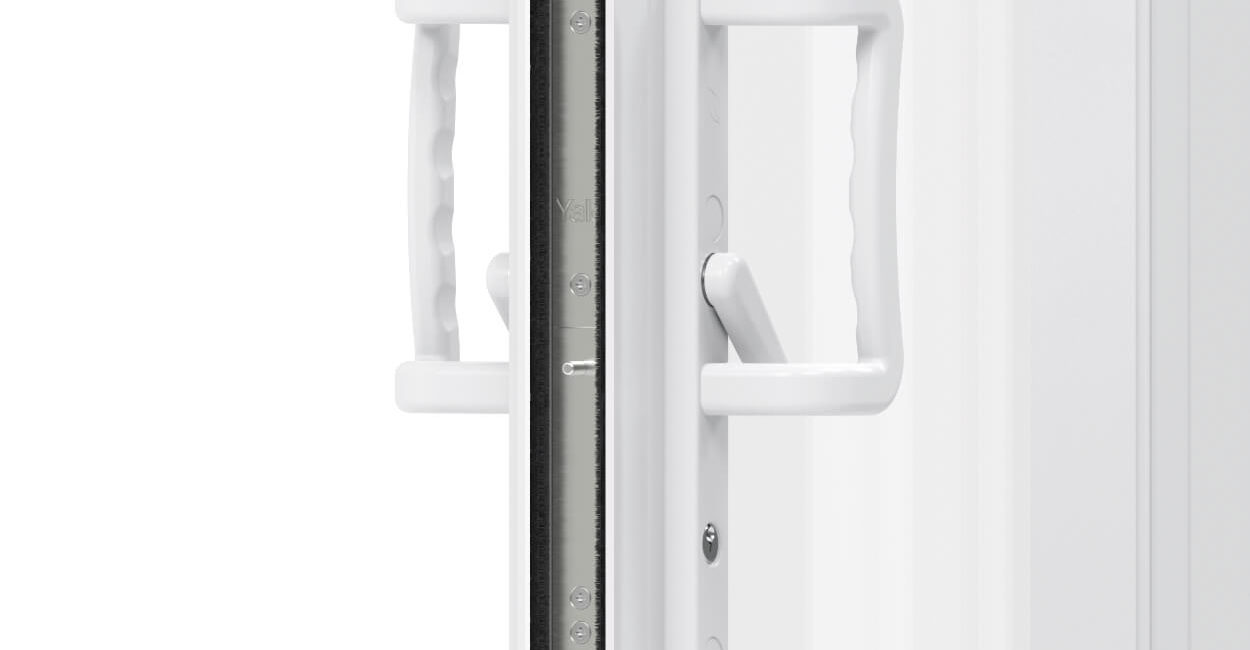
When improving your home’s kerb appeal, security, and functionality, few things have as much impact for so little effort as the door furniture you choose.
Whether it’s a polished chrome handle, a traditional lion’s head knocker, or a discreet letterbox, these components all help define the look and practicality of your front door.
In this guide, we’ll help you choose the right door furniture for your home, not just for aesthetic reasons, but to ensure you select fittings that work well with your lifestyle, door type, and long-term expectations.

Compare window styles
- Choose windows, doors, conservatories and more
- Select your style
- Enter your measurements
- Design online and choose your colours
What Is Door Furniture?
Door furniture refers to all the physical fixtures that are mounted onto or within your door. This includes both functional hardware and decorative accessories. Common types of door furniture include:
- Door handles and knobs – Allow you to open and close the door.
- Letterboxes – Provide a slot for mail delivery.
- Door knockers – A traditional way to alert someone inside.
- Hinges – Attach the door to the frame and allow movement.
- Spyholes or door viewers – Allow occupants to see who’s outside.
- Numerals and nameplates – Help identify your property.
- Bell pushes or electric doorbells – Common in modern setups.
- Escutcheons and locks – Offer privacy and security for internal and external doors.
These components may seem minor, but collectively they contribute significantly to a home’s first impression and day-to-day ease of use.
Why Door Furniture Matters
1. First Impressions and Kerb Appeal
Your front door is one of the most visible parts of your home. Visitors, passers-by, and even potential buyers notice it before anything else. Well-chosen door furniture can:
- Give your entrance a cohesive, stylish finish.
- Complement your property’s architecture.
- Add personality, such as a bold-coloured knob or an ornate knocker.
Poorly matched or worn-out furniture, on the other hand, can make even a well-kept home feel neglected.
2. Practicality and Ease of Use
Door furniture isn’t just decorative, it’s functional. Every time you come home with shopping bags, open the door for guests, or accept a parcel, your handles, locks, and hinges are put to work. Good hardware should:
- Be easy to grip and operate.
- Open and close smoothly.
- Withstand regular, often heavy-handed, use.
- Resist rust, tarnish, and weathering.
3. Security and Durability
High-quality hardware also plays a role in home security. A poorly fitted lock, a letterbox that can be tampered with, or a flimsy handle can leave you vulnerable to break-ins. Modern door furniture can help you:
- Install multi-point locking systems.
- Prevent mail theft or fishing via secure letterplates.
- Protect privacy with smart spyholes or cameras.
Choosing the Right Style for Your Home
Your choice of door furniture should match the overall style of your property. Here’s how to get it right:
Traditional Homes (Victorian, Edwardian, Georgian)
Older homes with period character benefit from classic fittings:
- Materials: Polished or aged brass, black wrought iron, antique bronze.
- Details: Lion head or ring-style knockers, curved lever handles, and scroll hinges.
- Letterboxes: Horizontal brass plates with flaps and integral nameplates.
- Additional: Intricate escutcheons, traditional number plates, or etched glass surrounds.
These elements help retain the building’s historical charm and architectural consistency.
Modern and New Build Homes
Simplicity and minimalism suit more contemporary properties:
- Materials: Stainless steel, brushed chrome, matte black, or satin nickel.
- Details: Slimline handles, angular hardware, flush-mounted letterplates.
- Letterboxes: Sleek, discreet slots or even concealed post boxes.
These choices blend form and function and help your home maintain a clean, uncluttered appearance.
Cottage or Rustic Homes
For cottages or countryside properties, rustic charm is key:
- Materials: Aged brass, hand-forged iron, weathered bronze.
- Details: Thumb latches, traditional bolts, decorative hinges.
- Extras: Wooden house numbers, vintage-style bell pulls, or heart-shaped knockers.
These features enhance the warmth and cosiness associated with country homes.
Material and Finish Options: What to Consider
Door furniture must look good and perform well over time, especially in the face of British weather. Here are some popular materials and how they compare:
| Material | Appearance | Durability | Best For |
| Brass | Classic, warm, can patina over time | Moderate – needs upkeep | Traditional or heritage properties |
| Stainless Steel | Sleek, modern, corrosion-resistant | Excellent | Coastal areas, contemporary homes |
| Chrome | Shiny, reflective, polished finish | Good – may fingerprint | Modern designs |
| Black Iron | Matte, rustic look | Very good – robust | Cottages, rural homes |
| Powder-Coated | Custom colours, matte/satin textures | Very good – weatherproof | Versatile across home styles |
| Bronze/Copper | Unique and decorative | Ages naturally | Statement pieces |
Always opt for corrosion-resistant finishes if your door is exposed to rain, sea air, or frequent temperature changes.
How to Match Door Furniture Across Your Entrance
Cohesion is key. A modern handle paired with a vintage knocker, or a chrome letterbox next to black iron numerals, creates visual conflict.
Here’s how to keep things consistent:
- Pick one finish and apply it to all components (e.g., matte black for handle, knocker, and numbers).
- Buy from one collection or brand to ensure the tone and texture match.
- Match the style – don’t mix ornate with minimalist.
- Consider your door’s colour – dark doors pair well with brass or gold tones, light doors with black or chrome.
A unified set of door furniture elevates your entrance and makes it feel well thought out.
Common Mistakes to Avoid
Even stylish homes can fall victim to common mistakes with door furniture. Here are some to avoid:
- Mixing Clashing Finishes: Chrome with brass or antique with modern never blends well.
- Ignoring Functionality: Some vintage handles look great but feel awkward to grip.
- Forgetting Weather Exposure: Shiny finishes may corrode if not rated for outdoor use.
- Poor Placement: Door knockers and numbers placed too high or low can affect appearance and usability.
- Over-accessorising: Too many elements can make your front door look cluttered.
Extra Tips When Choosing Door Furniture
- Think about door type: uPVC and composite doors often require specific fixings. Timber doors are more flexible.
- Check measurements: Make sure replacements fit existing cut-outs if you’re not refitting the whole door.
- Futureproofing: Choose durable materials and timeless styles that won’t date quickly.
- Security Ratings: For locks and letterplates, check if they meet TS007 or PAS 24 standards in the UK.
- Smart accessories: Some modern options include smart doorbells or keyless handles — ensure compatibility with your door.
Design the Perfect Door With Double Glazing Network
Choosing the right door furniture is a small change that can make a big difference. It affects how your home looks, how secure it is, and how easy it is to live with day to day.
By carefully considering your home’s style, your personal preferences, and the practical needs of your household, you can select door fittings that not only look fantastic but last for years to come.
Whether you’re upgrading your whole front door or just switching out a tired handle or letterbox, investing in the right door furniture is one of the simplest ways to give your home a refreshed, welcoming feel.
