
How to Make Your Home Private with the Right Windows and Doors
28th May 2025
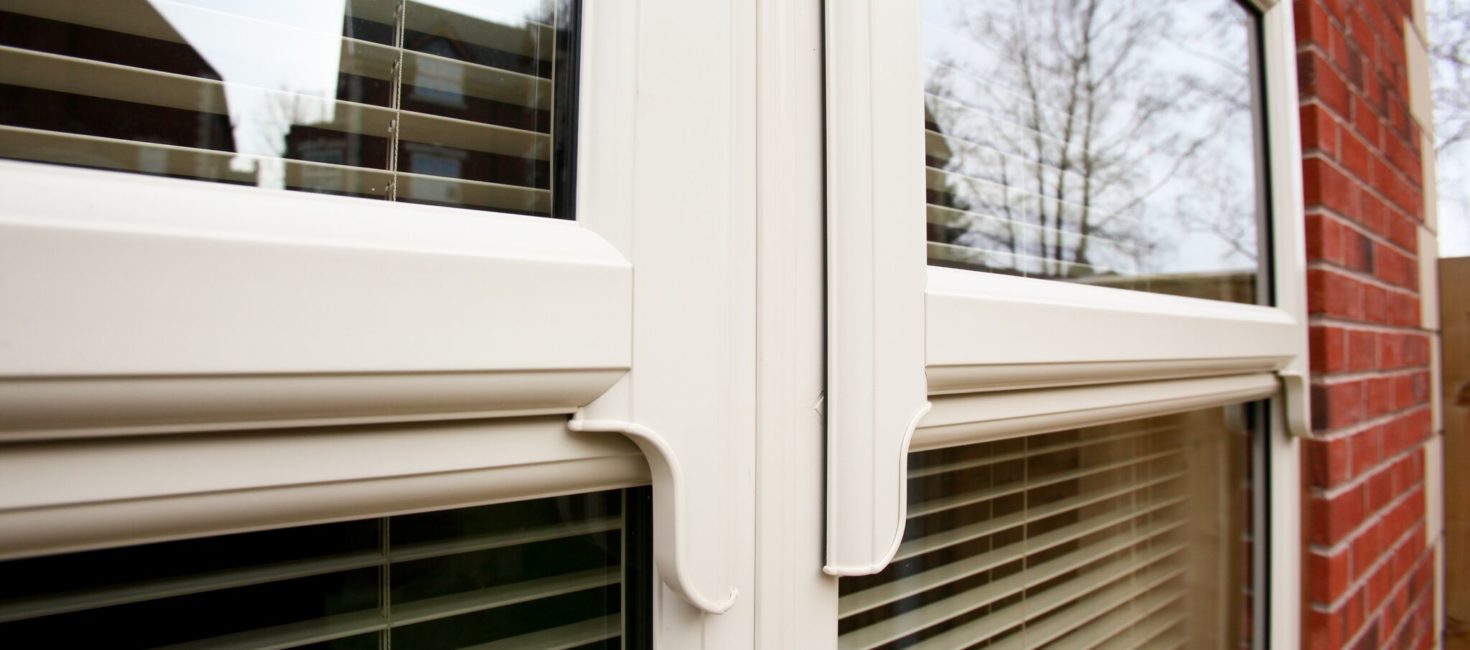
Modern living often brings with it a surprising challenge: a lack of privacy. Whether you live in a busy urban area, a new build estate with closely packed houses, or a semi-detached home overlooked by neighbours, it can feel like there’s always someone within viewing distance.
Fortunately, your choice of windows and doors plays a key role in how private your home feels. Beyond blinds and curtains, there are design features, glazing options, and layout techniques that can help you achieve both seclusion and style.
Why Privacy Matters in the Modern Home
Peace of Mind and Comfort
Privacy isn’t just about blocking the outside world, it’s about creating a space where you feel safe, relaxed, and undisturbed. Whether it’s eating dinner without feeling watched, enjoying time with your family, or simply relaxing in your living room, the ability to control visibility into your home contributes significantly to your everyday well-being.
Security Through Discretion
From a security perspective, increased privacy can deter opportunistic crime. If passers-by can’t see your valuables or monitor your routines through the windows, there’s less incentive for break-ins. A more private home doesn’t just feel safer, it is safer.
Choosing the Right Windows for Privacy
Your choice of window design has a major influence on how visible your home interior is from the outside. Fortunately, there are many options that balance both privacy and style.
Obscure and Frosted Glazing
One of the most effective ways to add privacy is by using obscure glass, also known as privacy glass or frosted glazing. This type of glass diffuses light while distorting or blurring visibility, so you get daylight without clear lines of sight.
Common types of obscure glass include:
- Frosted – A smooth, cloudy finish that blocks direct views.
- Textured or patterned – Rippled, leaf-patterned or geometric textures.
- Etched or sandblasted – A lightly roughened surface that diffuses visibility.
Ideal for:
- Bathrooms
- Hallways or stairwells
- Side windows facing neighbouring properties
- Toilet windows
- Door panels
Modern options offer varying levels of opacity, so you can choose how private you want the glass to be.
Patterned and Decorative Glass
If you want privacy with more visual flair, decorative glass provides both function and feature. From traditional leaded glass to stained-effect panels, these windows obscure vision while adding a stylistic edge to your home’s design.
They’re often seen in period homes but can be adapted for contemporary properties too. A common solution is to use a frosted lower panel in a window with a clear upper section, combining privacy with a view of the sky or trees.
Tinted and Reflective Glass
Reflective or tinted glass, often referred to as privacy mirror glass, appears like a mirror from the outside during the daytime, preventing people from seeing in while still allowing you to see out. It works based on light levels, so it’s most effective in bright conditions.
Important note: At night, when your interior is lit, this effect reverses unless you use curtains or blinds. Reflective glass should always be paired with other privacy options for evening use.
Top-Opening or Tilt-and-Turn Windows
Tilt-and-turn windows offer flexibility in ventilation without fully opening. When tilted, they allow airflow while limiting visibility into the room, especially when paired with obscure or high-level placement.
Top-opening windows, meanwhile, provide airflow and light without compromising privacy, making them ideal for bathrooms or cloakrooms.
Window Placement and Sizing for Privacy
How and where your windows are installed can be just as important as the type of glazing.
Tips include:
- High-set windows (closer to the ceiling) for private areas like hallways or cloakrooms.
- Transom windows above eye-level for natural light in overlooked zones.
- Narrow vertical windows for side-facing elevations.
- Angled or clerestory windows let in daylight without exposing your space.
If you’re planning a renovation or extension, speak to your installer or architect about layout strategies that maximise privacy without darkening your home.
Privacy-Friendly Window Accessories
Even if replacing your windows isn’t an option, there are accessories that significantly improve privacy.
Built-In Blinds Between Glass Panes
Integrated blinds (also called blinds-in-glass) are sealed between two panes of glazing, operated manually or magnetically. They don’t collect dust, are low-maintenance, and are perfect for patio doors, kitchens, or conservatories.
They allow you to adjust visibility as needed without affecting the aesthetic of the window itself.
Window Films and Privacy Coatings
These self-adhesive films can be applied directly to existing glazing, offering a quick and cost-effective privacy solution. Options include:
- Frosted films
- One-way mirror films
- Decorative etched designs
They’re ideal for rented properties or households on a budget, and can often be removed or replaced as your needs change.
Shutters and Privacy Curtains
For a more traditional or characterful approach, consider interior shutters or layered curtain systems.
- Café-style shutters – Cover the lower half of windows only.
- Tier-on-tier shutters – Offer full control over top and bottom panels.
- Sheer curtains – Maintain light levels while softening visibility.
- Blackout curtains – Excellent for bedrooms at night.
These options give you flexibility and add a cosy, lived-in feel.
Choosing Doors That Protect Your Privacy
Front and back doors are often overlooked when it comes to visibility, but they’re one of the easiest ways for strangers to glimpse inside. Choosing the right door design can significantly increase privacy.
Solid vs Glazed Doors
A solid panel door offers complete privacy and security, with no visibility into your home. However, many homeowners like the aesthetic and light offered by glazed doors.
To balance both, consider:
- High-level glazing – Let in light without exposing your interior.
- Narrow vertical panes – Minimal visibility while creating visual interest.
- Obscure or patterned glazing – As with windows, frosted door glass ensures privacy while still looking stylish.
Glazing Positioning in Doors
Where the glass is placed is as important as what it’s made from. Side panels, top panels, or offset glass arrangements can help control views into your home’s entryway.
Avoid full-length clear glazing unless paired with obscured side panels or layered interior curtains.
Composite vs uPVC Doors for Privacy
Both materials offer privacy-enhancing design options. However:
- Composite doors tend to have thicker cores and better sound insulation, and can be ordered with bespoke glazing styles.
- uPVC doors are more budget-friendly but offer slightly less flexibility in design layout.
Either can provide excellent privacy when paired with the right glazing and layout choices.
Tips for Improving Privacy Without Losing Light
Want more privacy but worried about darkening your home? Here are some creative solutions.
Dual-Zone Glazing
Split-glass designs allow the lower half of a window to be frosted or obscured, while the upper half remains clear. This provides light and sky views while blocking lines of sight into living spaces.
Using Landscaping as Screening
Strategic planting can go a long way. Hedges, planters, trellises, and even decorative frosted glass fencing or balustrades can shield lower windows or garden-facing patio doors.
Layering Window Solutions
There’s no rule saying you can only pick one method. Combine frosted glass with sheer curtains, or use reflective film with integrated blinds, to adapt your space across seasons and lighting conditions.
Best Rooms to Prioritise for Privacy
Some rooms demand more privacy than others. If you’re unsure where to start, focus on:
Bathrooms and Toilets
This is non-negotiable. Use frosted glass or high-set windows. For added control, consider pairing obscure glazing with shutters or blinds.
Bedrooms
Especially if they face the street or neighbouring homes. Blinds, sheer curtains, and blackout options can all be layered depending on your needs.
Front Door and Hallway
Many modern homes have glazed side panels or full glass doors. Use obscure or patterned glazing here to reduce visibility into your hallway or stairwell.
Common Mistakes to Avoid
- Using clear glass in exposed areas, especially at street level.
- Relying on reflective film alone, which reverses effect at night.
- Choosing large low-level windows without any coverings.
- Assuming obscure glass blocks all light, it doesn’t, and that’s a good thing.
Avoiding these errors can make a huge difference to both your comfort and your home’s security.
Improve Your Privacy with the Double Glazing Network
Privacy is more than a luxury, it’s part of what makes a house feel like home. From selecting the right obscure glazing to opting for tilt-and-turn windows, integrated blinds, or a solid front door, there are countless ways to increase your home’s seclusion without shutting out the light.
By making the right window and door choices, you can create a private retreat where you and your family can feel comfortable, secure, and truly at ease, no matter how close your neighbours are.
Whether you’re building from scratch, replacing existing fittings, or just looking for budget-friendly solutions, remember: privacy starts with design.
